

The Evolution of Jewelry Styles Through the Ages
Jewelry has been an integral part of human adornment for thousands of years, serving as symbols of status, beauty, and cultural identity. Over time, jewelry styles have evolved in response to changes in society, technology, and fashion, reflecting the diverse tastes and values of different civilizations. Let’s explore the fascinating journey of jewelry styles through the ages, from ancient civilizations to modern-day trends.
Ancient Civilizations: Symbolism and Ritual
In ancient civilizations such as Egypt, Mesopotamia, and Greece, jewelry held profound symbolic and religious significance. Precious metals like gold and silver were reserved for royalty and the elite, while gemstones such as lapis lazuli, turquoise, and carnelian were prized for their vibrant colors and mystical properties. Jewelry designs often featured motifs inspired by nature, mythology, and religious beliefs, reflecting the spiritual and cultural values of the time.
Classical Antiquity: Elegance and Opulence
During the Classical period of ancient Greece and Rome, jewelry styles became more refined and sophisticated, reflecting the elegance and opulence of the era. Intricate filigree work, granulation, and delicate gemstone settings adorned jewelry pieces, showcasing the craftsmanship and artistic prowess of ancient artisans. Pearls, emeralds, and sapphires were favored gemstones, symbolizing wealth, beauty, and prestige.
Medieval Europe: Gothic Splendor
In medieval Europe, jewelry styles were influenced by Gothic architecture and religious symbolism. Ornate crosses, reliquaries, and devotional objects adorned with precious gemstones and intricate metalwork were popular among the clergy and nobility. Jewelry became a symbol of piety, power, and social status, with elaborate pieces crafted to display the wealth and prestige of royalty and aristocracy.
Renaissance: Rebirth of Artistry
The Renaissance period ushered in a revival of classical art and culture, inspiring jewelry designs characterized by elegance, symmetry, and harmony. Renaissance jewelry featured motifs such as floral patterns, scrolls, and mythological figures, often embellished with precious gemstones and enamel work. Techniques such as repoussé, chasing, and engraving were used to create intricate details and textures, showcasing the skill and creativity of Renaissance artisans.
Baroque and Rococo: Exuberance and Ornamentation
The Baroque and Rococo periods of the 17th and 18th centuries saw a departure from the symmetry and restraint of earlier styles, giving way to exuberant and ornate jewelry designs. Elaborate necklaces, chokers, and earrings adorned with cascading gemstones, pearls, and intricate metalwork were fashionable among the aristocracy and upper classes. Jewelry became a statement of wealth, luxury, and extravagance, reflecting the opulent lifestyle of the elite.
Victorian Era: Sentimentality and Symbolism
The Victorian era was characterized by romanticism, sentimentality, and symbolism in jewelry design. Queen Victoria’s love for her husband, Prince Albert, popularized mourning jewelry adorned with black enamel, jet, and pearls as symbols of remembrance and mourning. Sentimental motifs such as hearts, flowers, and lockets were also prevalent, reflecting themes of love, friendship, and devotion.
Art Nouveau: Nature and Whimsy
In the late 19th and early 20th centuries, the Art Nouveau movement brought a fresh and innovative approach to jewelry design. Inspired by nature, mythology, and the avant-garde, Art Nouveau jewelry featured flowing lines, asymmetrical shapes, and organic motifs such as flowers, insects, and peacocks. Gemstones such as opals, moonstones, and pearls were favored for their iridescence and ethereal beauty.
Art Deco: Geometry and Glamour
The Art Deco movement of the 1920s and 1930s celebrated geometric shapes, bold colors, and sleek sophistication in jewelry design. Influenced by Cubism, Futurism, and the machine age, Art Deco jewelry featured angular forms, streamlined silhouettes, and geometric patterns such as chevrons, sunbursts, and zigzags. Gemstones such as diamonds, emeralds, and rubies were set in platinum and white gold, creating dazzling displays of glamour and elegance.
Contemporary Trends: Diversity and Individuality
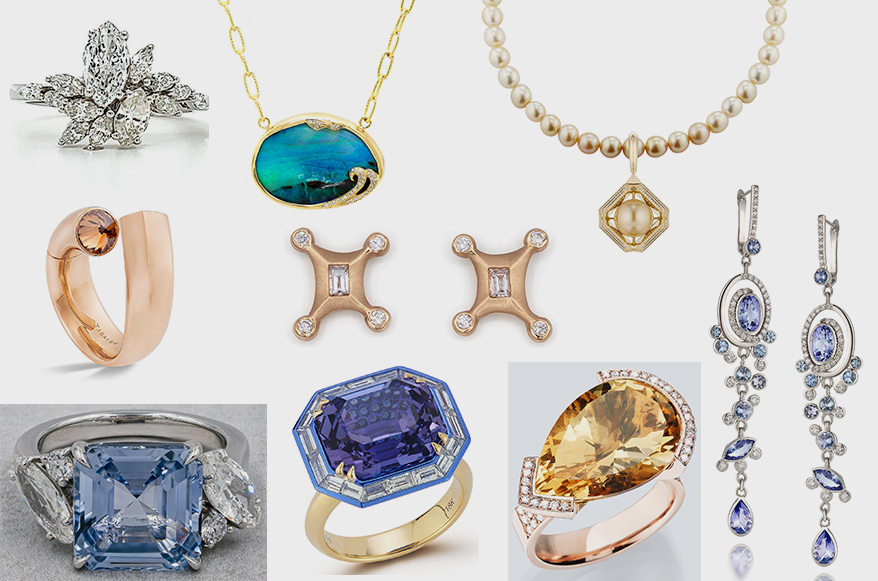
In the modern era, jewelry styles have become more diverse and eclectic, reflecting the multiculturalism and individuality of contemporary society. From minimalist designs and sustainable materials to statement pieces and avant-garde creations, jewelry today encompasses a wide range of styles, influences, and aesthetics. With advances in technology and craftsmanship, designers have more creative freedom than ever before, pushing the boundaries of innovation and self-expression in jewelry design.
Conclusion
The evolution of jewelry styles through the ages is a testament to the enduring allure and cultural significance of adornment. From the ancient civilizations of Egypt and Greece to the modern-day trends of the 21st century, jewelry has remained a timeless expression of beauty, status, and personal identity. As we continue to celebrate the diversity and creativity of jewelry design, may we also cherish the rich heritage and craftsmanship that have shaped this enduring art form for centuries to come.